FS usually means “For Sure” in chats—a quick way to say yes or show you totally agree with something. It’s casual internet slang that pops up everywhere from Instagram comments to group texts when people want to confirm plans or back up what someone said.
The Whole “Wait, What Does That Mean?” Moment
Picture this: You’re in a group chat planning weekend plans. Someone suggests going to that new café everyone’s talking about. Three people reply “FS” and you’re just staring at your phone like… is that a yes? A maybe? Some inside joke you missed?
Or worse—a girl you like responds to your movie invitation with just “FS” and now you’re analyzing those two letters like it’s a literature exam. Does she sound excited? Is she just being polite? Should you have suggested something else?
The real headache starts when you see “FS” on Facebook next to someone selling a phone and suddenly you’re questioning everything you thought you knew. Same two letters, completely different universe.
What’s Actually Happening When Someone Types FS
Think of FS as that quick head shake your friend gives when you’re both thinking the same thing. It’s agreement, but with personality. Nobody types FS when they’re feeling formal or careful—it’s pure casual energy.
Think of “FS” as a quick nod in a conversation.
It means “yes” or “I agree,” but in a relaxed, informal way. People use it when they’re comfortable and don’t want to slow the chat down with long replies.
FS usually sounds positive — but it’s still low-effort.
That’s fine in casual chats, but not when someone needs a serious response.
Where You’ll Actually Spot FS Being Used
Group chats are FS headquarters. Someone throws out an idea and responses fly—”FS,” “fs count me in,” “FS what time?” It’s like everyone’s raising their hand at once but nobody has to stop the conversation flow to do it.
Social media comments work differently. You see your friend post about acing their exam, you drop “FS proud of you” in the comments. It’s public support that doesn’t sound overly formal or try-hard. Just genuine, quick acknowledgment.
Direct messages get interesting because FS can carry more weight there. Your friend shares something they’re stressed about and adds “I think I’m overthinking this.” You reply “FS you are, but it’s gonna be fine”—you’re validating their feeling while also being honest.
Now here’s where it splits: selling situations.On selling platforms like Facebook Marketplace or OLX, “FS” often shifts meaning to “For Sale,” a shorthand commonly used in online classifieds and resale listings, as noted in Facebook Marketplace’s own seller conventions.” Suddenly those same letters mean “For Sale” and everyone shopping knows to look for them.
Between guys and girls? No real difference, honestly. If a girl texts you “FS, sounds fun” about your weekend plan, she means exactly what you’d mean texting the same thing. The overthinking happens in our heads, not in the slang.
Why Tone Makes FS Tricky Sometimes
FS doesn’t mean the same thing every time — it depends on the moment.
If a close friend sends you a meme and you reply, “FS that’s funny,” it feels natural and friendly. But if someone you barely know opens up about a bad day and you answer with just “fs,” it can feel cold. In serious moments, people expect real words, not shortcuts.
Small details change the mood too. “FS!” sounds excited. “fs” can feel low-effort. “FS…” often reads like hesitation or doubt, even if that’s not what you meant.
FS can also be sarcastic. If your friend burns toast and calls themselves a great cook, “FS, chef of the year” clearly sounds like a joke. But sarcasm only works when you know the person well. Without that history, it’s easy to misread.
The main rule is simple: FS works best in light, casual chats. When emotions are involved, using full words shows you actually care.
Read Also: What Does HG Mean? (And Why It Keeps Changing)
Situations Where FS Will Backfire
Work emails—just don’t. Your manager asks if you can handle the new assignment and “FS, I got it” sounds way too casual for most Indian workplaces. Even startups with chill vibes usually draw a line at official emails. Save it for team chat if anything.
Talking to anyone older or in a respect-based relationship? Stick to actual words. Your uncle asks if you’re coming to the family function, “FS Uncle” might get you side-eye. In most Indian families, even modern ones, slang with elders can feel disrespectful.
College emails to professors are a no-go zone. “Can you submit the assignment by Monday?” shouldn’t get “FS sir” as a response. It’s not cute, it’s just unprofessional. Use “Yes, definitely” or “Sure, I’ll submit it on time.”
Public professional spaces like LinkedIn are obvious nos. Someone shares a work milestone, don’t comment “FS congrats.” You’ll stick out for the wrong reasons.
The selling context creates its own trap. If you’re negotiating with a buyer and they ask “Is the price final?” responding “FS” is confusing—do you mean “for sure it’s final” or are you saying something about the sale? Just type the full answer.
Other Ways to Say the Same Thing (Based on Your Vibe)
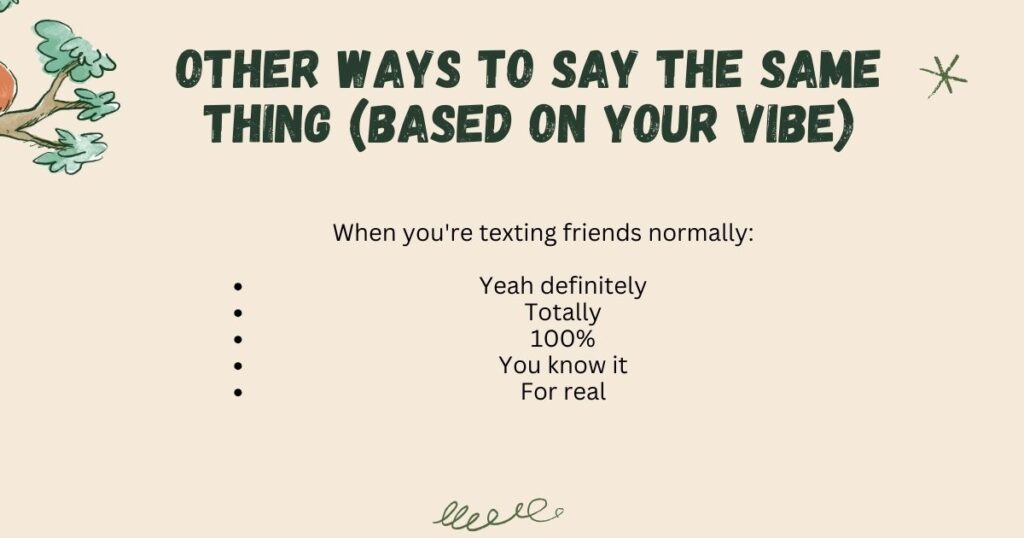
When you’re texting friends normally:
- Yeah definitely
- Totally
- 100%
- You know it
- For real
When you need to sound a bit more put-together:
- Absolutely
- Certainly
- Yes, definitely
- I agree
- That works perfectly
When you’re being playful or slightly joking:
- Oh for sure (hint of sarcasm)
- Obviously
- Bet (similar slang energy)
- True that
Match whatever feels natural to how you normally talk. Forcing slang you’d never actually use is worse than just typing normally.
What Real Conversations Look Like
Your friend texts: “Bro that new season dropped, watching tonight?”
You: “FS, starting at 9?”
Someone posts a picture of street food with “Nothing beats Mumbai vada pav”
Your comment: “FS, no competition”
Group chat coordination:
“Beach trip next Sunday?”
“FS”
“fs I’m in”
“FS bringing the speaker”
Girl you’re talking to: “Coffee at that place near college tomorrow?”
You: “FS, 5 pm work?”
Your friend dramatically texts after a minor inconvenience: “I’m the unluckiest person alive”
You: “FS, absolutely tragic” (clearly messing with them)
Facebook Marketplace post: “Headphones FS, good condition, ₹1500”
Friend posts on their Instagram story: “Still single and thriving FS 😂” (playful relationship status flex)
Platform Stuff Worth Knowing
Instagram and Snapchat run on FS because speed matters there. Stories disappear, comments pile up fast, DMs need quick replies. FS fits the rhythm perfectly—nobody’s writing paragraphs in Instagram comments anyway.
TikTok turned FS into part of the content language. Captions like “This recipe slaps FS” or comment sections flooded with “FS need to try this” became standard. The app’s young user base basically speaks in compact reactions.
WhatsApp is where most Indians probably use FS the most. Our group chats never stop, and FS keeps things moving whether you’re planning meetups or just agreeing with someone’s opinion. It works in English-dominant groups and even slides into Hindi-English mix conversations.
Facebook does double duty. Regular chat and comments? FS means “for sure.” Marketplace and selling groups? Everyone knows it means “For Sale.” You learn to code-switch automatically based on which part of the app you’re in.
Twitter moves too fast for long responses, so FS shows up in replies and quote tweets constantly. “This take is correct FS” under someone’s opinion thread.
Age matters more than platform though. Gen Z uses FS without thinking. Millennials understand it but might type it out less. Anyone older likely won’t recognize it at all, so texting your parents with slang rarely works.
Confusing Things People Get Wrong About FS
The biggest mistake is thinking every FS carries the same energy. Context from the conversation matters way more than the word itself. Someone might type “fs” while genuinely excited but just typing fast, while another person types “FS!” without really caring that much. You can’t judge enthusiasm purely by the letters.
People overthink what it means coming from specific people. If a girl uses FS, some guys immediately wonder if there’s hidden meaning. Usually there isn’t—she’s just texting like a normal person who uses internet slang. Same goes the other way.
The “For Sale” vs “For Sure” confusion causes actual miscommunication. Someone posts about selling something in a general chat instead of a marketplace group, and half the people think they’re making some weird statement about being sure about bikes or whatever. Always check what type of conversation you’re in.
Lowercase versus uppercase doesn’t automatically signal anything deep. Some people just have their phone set to not auto-capitalize. Or they’re typing one-handed while carrying groceries. Not every text needs forensic analysis.
Thinking FS is always casual and friendly misses the sarcasm angle. In friend groups with that kind of humor, “FS” can absolutely mean the opposite depending on tone earlier in the conversation. But this only works when everyone’s on the same wavelength.
Read Also: SNM Meaning in Text: What It Really Means When Someone Texts You “SNM”
A Few Things People Actually Wonder
Does using FS make me sound immature?
In casual settings with friends your age? No. In emails to professors or work contexts? Yeah, kind of. Context decides everything.
What if someone older doesn’t know what it means?
Then just type the words out. No point using slang that creates confusion—the whole point is faster, clearer communication.
Can I use FS in both Hindi and English chats?
Totally works in Hinglish conversations. “Kal milte hain FS” mixes naturally for people who code-switch normally.
Is replying with just “fs” rude?
Usually not, but it can seem low-effort if the other person wrote a lot or shared something important. Read the room.
Do people really use FS for “For Sale” still?
Yes, especially in Indian selling groups and marketplace apps. It’s standard shorthand there.
Bottom Line
FS works because it’s quick, sounds natural, and matches how we actually communicate online. It’s not trying to be formal or impressive—just efficient and friendly.
The trick is knowing when that casual efficiency helps versus when it hurts. With friends making plans? Perfect. With someone who needs your full attention? Skip it. Once you get the rhythm of when FS fits, using it becomes automatic. And when you’re not sure, typing an extra few words never hurt anyone.

I’m a language enthusiast who decodes how people really talk online. On PhotoSlush, I explore slang, abbreviations, and text meanings so readers never feel lost in digital conversations. Each post blends real-world usage, culture, and clarity—making modern language simple, relatable, and actually fun to understand.